

Heat & Energy Recovery Ventilator Installation in Norristown, PA
- Locally Owned & Operated
- Trust & Transparency
- Long-Term Relationships

Homes have gotten tighter. Better windows, added insulation, and air sealing all keep conditioned air where it belongs, and that is a good thing for your heating and cooling bills. The trade-off is that stale air, moisture, and indoor pollutants no longer leak out as they did in a drafty older house.
Davis Modern Heating & Cooling has served Norristown and Montgomery County families since 1850. We install a heat recovery ventilator in Norristown, PA, for homes that need controlled fresh air in winter, and an energy recovery ventilator for homes where summer humidity is part of the equation. Our technicians size and design each system around the house rather than installing the same unit everywhere.
Our Services
- Attic Fan Installation
- Emergency HVAC Repair
- Heat & Energy Recovery Ventilator Installation
- HVAC Ductwork Installation
- HVAC Ductwork Repair
- HVAC Installation & Replacement
- HVAC Maintenance
- HVAC Zoning Systems
- Thermostat Repair & Installation
- Commercial AC Installation & Repair
- Commercial Boiler Installation & Repair
- Commercial Heating Installation & Repair
- Commercial HVAC
Contact Us
- This site is protected by reCAPTCHA
What Your Neighbors Are Saying About Us
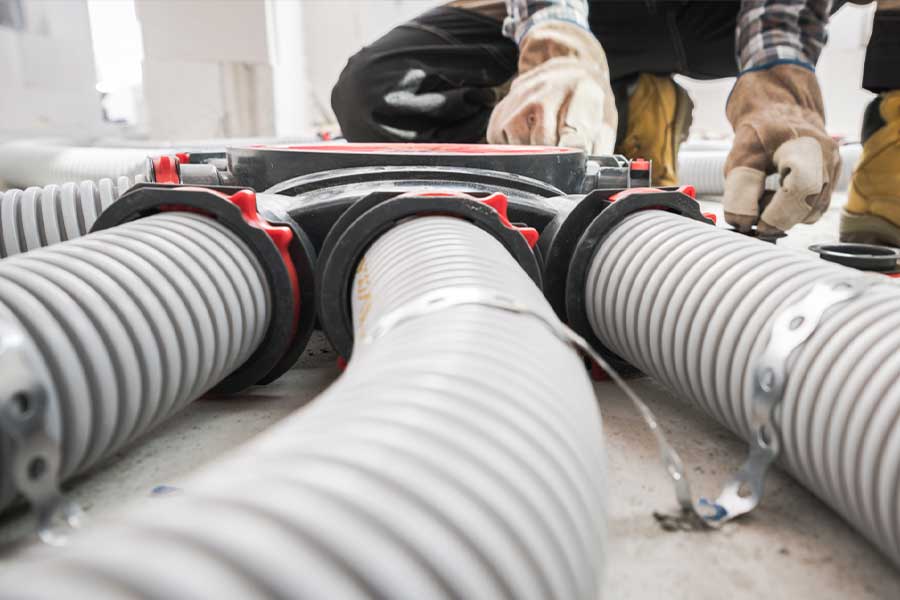
everywhere. How HRV and ERV Systems Bring in Fresh Air
Both systems do the same basic job. They exhaust stale indoor air and bring in an equal volume of outdoor air, running continuously or on a schedule so the house gets a steady supply rather than whatever happens to leak through.
What makes them worth installing is the heat exchanger core. The outgoing and incoming air streams pass close to one another without mixing, and the core transfers energy between them. In February, outgoing air that you already paid to heat warms the cold incoming air before it reaches your living space. In August, the process runs in reverse, and the incoming air is pre-cooled.
The result is fresh air at a fraction of the energy penalty you would pay by simply opening a window. Your furnace, heat pump, or air conditioner handles a much smaller load than it would if raw outdoor air entered unconditioned.
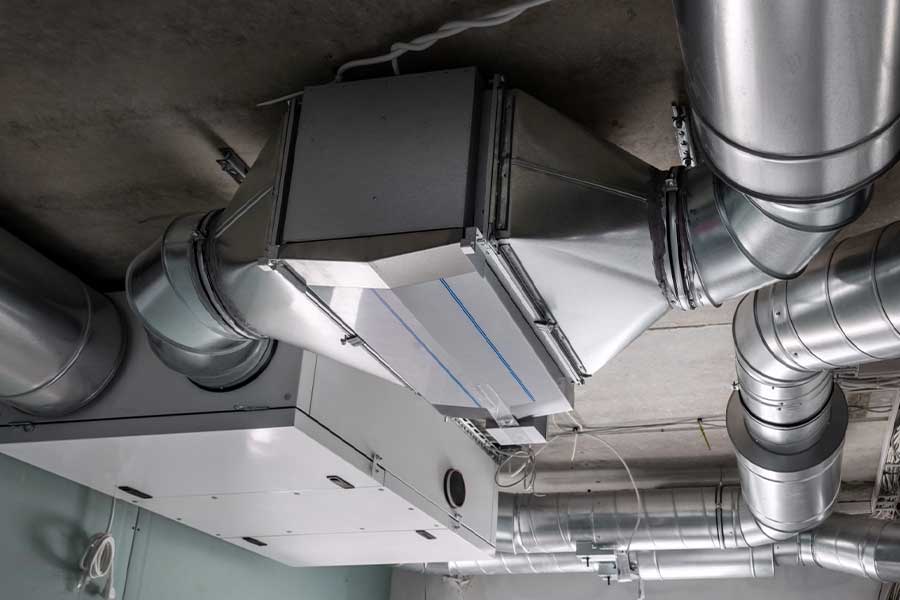
HRV vs. ERV: Which Is Right for Your Home
The difference comes down to moisture. A heat recovery ventilator transfers heat between the two air streams and nothing else. An energy recovery ventilator transfers heat and a portion of the moisture, which changes how the system behaves across the seasons.
In our part of Pennsylvania, summers are genuinely humid, and winters are dry. An ERV helps on both ends. During humid months, it keeps a portion of the incoming moisture from entering the house, so your air conditioner is not competing with the ventilation system. During the cold months, it retains some indoor moisture that an HRV would exhaust, easing the dry-air problem that shows up every January.
An HRV still makes sense in specific situations, particularly in homes that run humid year-round or have strong indoor moisture sources that need to be removed. Tight new construction with a damp lower level sometimes falls into this category.
We walk through your home’s construction, insulation, moisture conditions, and existing HVAC equipment before recommending either one. The honest answer depends on the house, and we would rather explain the reasoning than hand you a product name.

Signs Your Home Needs Better Ventilation
Poor ventilation shows up in the feel of the air long before anyone tests it. Here is what Norristown homeowners typically notice.
- Stuffy, stale indoor air
- Odors that linger
- Window condensation in winter
- Elevated humidity in tight rooms
- Bathroom moisture clearing slowly
- Cooking smells spreading through the house
- Air feeling heavy when closed up
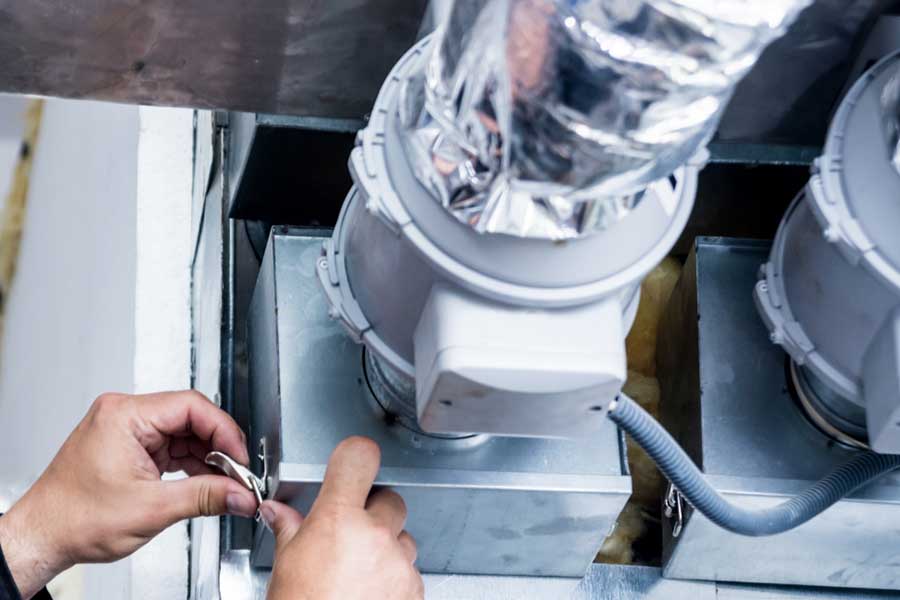
Our HRV & ERV Installation Process
We start with an evaluation of the home. That means looking at square footage, how tight the construction is, the layout of your existing ductwork, your current heating and cooling equipment, and where moisture tends to collect. These details determine both the unit size and the ventilation rate the house actually needs.
From there, we design the duct configuration. Some installations tie into existing ductwork, while others require dedicated supply and exhaust runs to pull stale air from kitchens, bathrooms, and laundry areas and deliver fresh air to bedrooms and living spaces. Where the intake and exhaust terminate on the exterior matters too, since placing them too close together defeats the purpose.
The installation covers mounting the unit, running the ductwork, setting the exterior hoods, connecting the condensate drain where required, and wiring the controls. We balance the airflow between supply and exhaust once everything is in place, because an unbalanced system can pressurize or depressurize the house.
Before we finish, we show you the controls, explain the ventilation settings for different seasons, and cover core and filter maintenance to keep the system performing. We work with every fuel source and all equipment brands, so integrating with what you already have is not a problem.

Benefits of Heat & Energy Recovery Ventilation
The most immediate change is how the air feels. Fresh air arrives continuously rather than in bursts, and the stuffiness that builds up in a closed house through winter or during a humid August largely goes away.
Energy performance is the second piece. Because the core recovers most of the energy from the outgoing air, you get ventilation without the heating-and-cooling penalty that open windows bring. That matters in a region where both seasons put real demands on equipment.
There are longer-term benefits for the house as well. Steady ventilation moves indoor moisture out before it can condense inside walls or on cold surfaces, and it dilutes everyday indoor pollutants from cooking, cleaning products, and building materials. For families dealing with seasonal sensitivities, consistent fresh air often makes a noticeable difference. Properly designed, a recovery ventilator is one of the quieter improvements you can make to a home, and the comfort it delivers lasts.
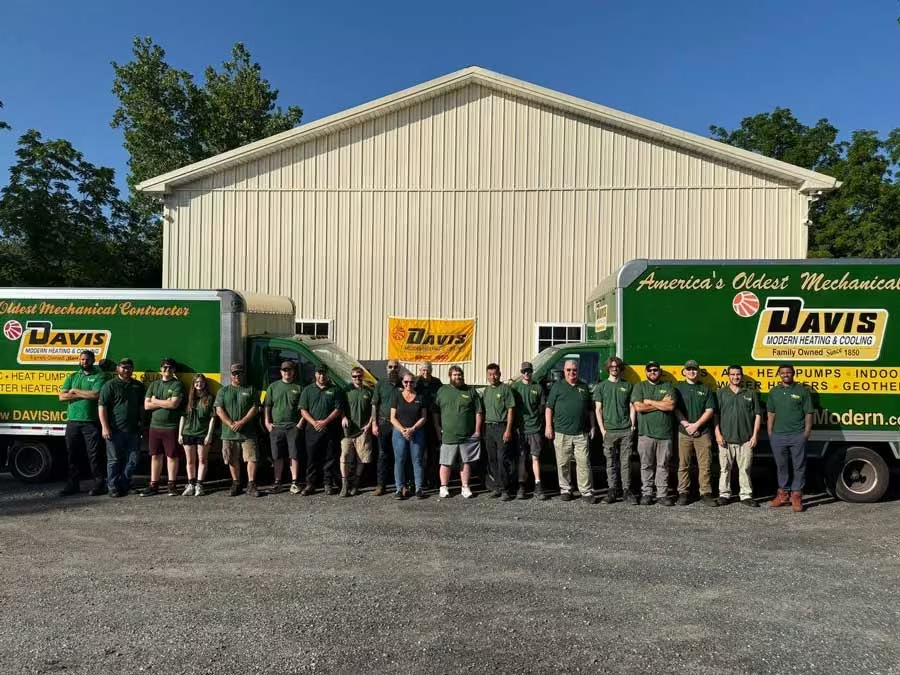
Why Choose Davis Modern Heating & Cooling for Ventilator Installation
Families here have trusted this company across generations, and careful design work is how we keep that trust.
- Family-owned since 1850
- Deep Montgomery County experience
- Fully licensed in Pennsylvania
- All brands and fuel sources
- 24/7 on-call service
- Straightforward guidance, no pressure
Frequently Asked Questions
Does an HRV or ERV replace my furnace or air conditioner?
No. It handles fresh air only. Your heating and cooling equipment still controls temperature.
How much does a recovery ventilator run each day?
Most operate continuously at a low rate, with higher settings available when the house is full or humidity climbs.
Will it work with my existing ductwork?
Often, yes, though many homes get better results from dedicated supply-and-exhaust runs. We determine that during the evaluation.
What maintenance does the unit need?
Filters need cleaning or replacement a few times a year, and the core needs periodic cleaning as well. Both are straightforward tasks.
Is an ERV worth it in an older Norristown home?
It depends on how tight the house is. Drafty older homes may ventilate adequately on their own, and we will tell you if that is the case.