


Radiant Floor Heating Installation & Repair in Norristown, PA
- Locally Owned & Operated
- Trust & Transparency
- Long-Term Relationships

Radiant floor heating offers a level of comfort that traditional forced air systems simply can’t match, warming a room evenly from the ground up rather than pushing heated air through vents. Davis Modern Heating & Cooling has installed and repaired radiant heating systems for Norristown families for years. We understand how well this technology performs through our region’s cold, damp winters.
Our Services
- Boiler Installation & Replacement
- Boiler Maintenance
- Boiler Repair
- Furnace Installation & Replacement
- Furnace Maintenance
- Furnace Repair
- Geothermal Heat Pump Installation & Repair
- Heat Pump Installation & Replacement
- Heat Pump Maintenance
- Heat Pump Repair
- Oil Furnace Repair & Maintenance
- Convert From Oil Heat
- Radiant Floor Heating Installation & Repair
- Tankless Water Heater Installation & Repair
- Water Heater Repair
- Water Heater Replacement & Installation
How Radiant Floor Heating Systems Work
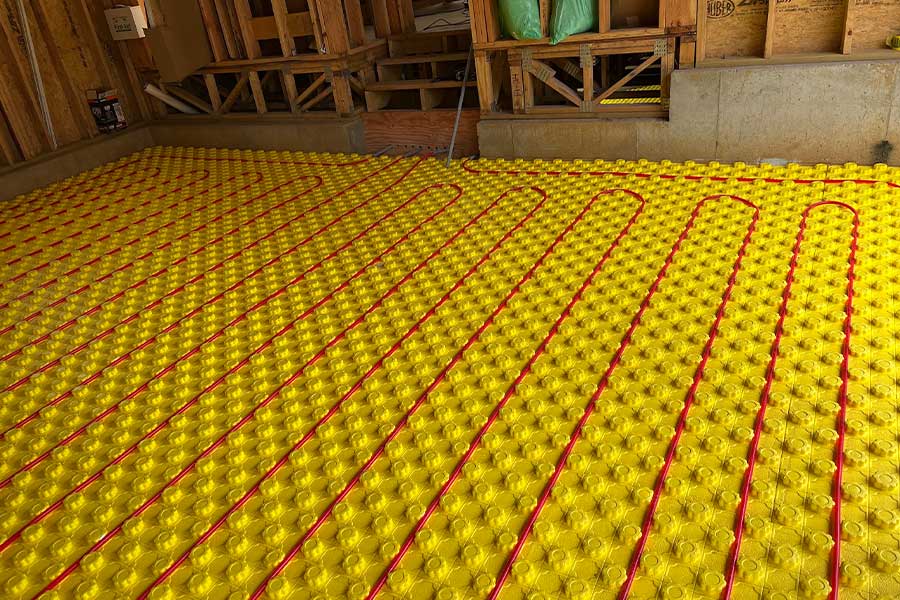
Radiant floor heating works by placing a heat source directly beneath your flooring, warming the floor itself rather than heating the air around it. As the floor warms, heat radiates upward into the room, creating a steady, even warmth that doesn’t rely on air movement the way a forced-air furnace does. Because heat rises naturally from the floor, rooms tend to feel comfortable at a lower thermostat setting than they would with traditional heating.
The system distributes heat far more evenly across a room than vents typically do, eliminating the cold spots and drafts that often appear near windows or doorways in a forced-air setup. This even distribution is especially noticeable in Norristown homes during the coldest months, when traditional systems can struggle to keep every corner of a room equally warm.
Contact Us
- This site is protected by reCAPTCHA
What Your Neighbors Are Saying About Us
Benefits of Radiant Heat Over Forced Air
Radiant floor heating tends to feel more comfortable than forced air because it eliminates the drafts and temperature swings that come with air blowing through vents. Instead of warm air rising and cooling before it reaches the floor, radiant systems warm the floor directly, so the areas where people sit and stand stay consistently comfortable. Many homeowners also notice improved indoor air quality, since radiant systems don’t circulate dust and allergens the way forced air ductwork can.
Because radiant systems operate quietly, with no blower fan running constantly, they tend to be less noisy than traditional furnaces or air handlers. Energy efficiency is another advantage many Norristown homeowners appreciate, since radiant systems can often maintain comfortable temperatures at a lower thermostat setting than forced-air systems require. For homes with allergy concerns or a preference for consistent, even warmth throughout the coldest months, radiant heat offers a noticeable improvement over traditional systems.
Hydronic vs. Electric Radiant Systems
Hydronic radiant systems circulate heated water through a network of tubing installed beneath the floor, with the water warmed by a boiler or water heater before it enters the loop. These systems tend to be more cost-effective to operate over the long term, especially for heating larger areas or whole-home installations. However, they do require more complex installation involving tubing, a heat source, and a distribution manifold.
Electric radiant systems use heating cables or mats installed beneath the floor instead of circulating water, drawing power directly from your home’s electrical system. Electric systems are often a better fit for smaller spaces, such as bathrooms or single-room additions, since installation is generally simpler and less invasive than a hydronic setup. While electric systems can cost more to run over large areas, they’re a practical option for retrofitting radiant heat in an existing room without disrupting the whole-home heating setup.
Our Radiant Floor Heating Installation Process
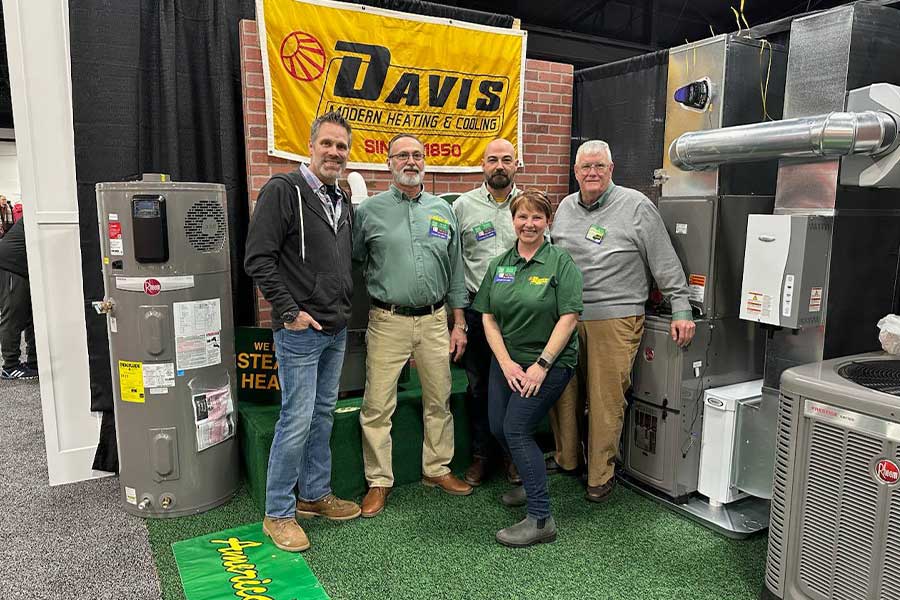
Every radiant heating installation starts with an assessment of your home’s layout, existing flooring, and heating goals, since the right system depends heavily on whether you’re heating a single room or an entire home. Our technicians help determine whether a hydronic or electric system makes the most sense for your project, then design a layout that provides even heat distribution across the space.
Once the design is finalized, our team installs the tubing or heating elements beneath the flooring, connects hydronic systems to a boiler or water heater, or wires electric systems to a dedicated thermostat. We test the entire system thoroughly before the flooring is finished, confirming even heat output and proper thermostat response. Throughout the process, we work carefully to minimize disruption to your home and keep the project on schedule.

Signs Your Radiant Heating System Needs Repair
A few common issues can signal that a radiant heating system needs attention.
- Cold spots on the floor
- Uneven heating from room to room
- Thermostat not responding correctly
- Rising heating bills
- Reduced heat output overall
- Visible water leaks nearby
- The system won’t turn on
If you’re noticing any of these signs, it’s worth having a technician experienced with radiant systems take a closer look before the issue affects more of your home’s flooring or heating performance.
Why Choose Davis Modern Heating & Cooling
Radiant heating systems require specialized knowledge, and that experience makes a real difference in both installation and repair.
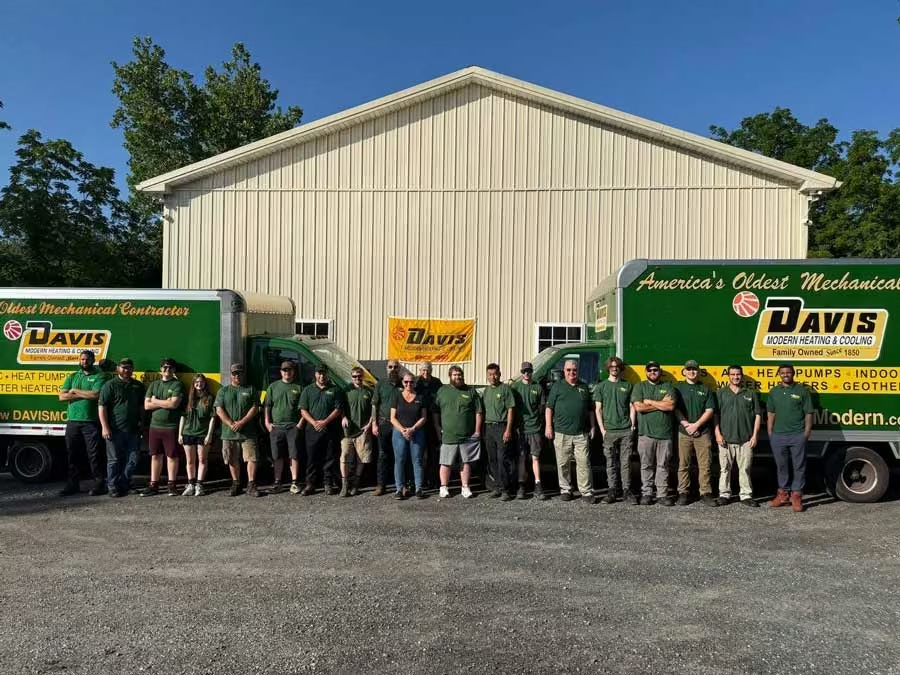
- Family-owned and operated since 1850
- Experience with hydronic and electric systems
- Careful, detailed system design
- Fully licensed throughout Pennsylvania
- 24/7 emergency on-call service
- Long-term reliability focus
We approach every radiant heating project the way we’d want our own family’s home handled, and our on-call availability means help is there whenever you need it, not just during business hours.
Frequently Asked Questions
Is radiant floor heating expensive to install?
Cost depends on the size of the space and whether you choose a hydronic or electric system, with electric often being more affordable for smaller areas.
Can radiant heating be added to an existing home?
Yes, though installation is generally easier during a renovation when flooring is already being replaced.
How long does a radiant floor heating system last?
Hydronic systems can last several decades with proper maintenance, while electric systems typically last 15 to 20 years.
Why does my radiant floor have cold spots?
This is often caused by an air pocket in hydronic tubing, a damaged section of cable, or a thermostat issue.
Is radiant heat a good fit for Norristown's climate?
Yes, radiant heating performs well in cold, damp winters and provides even warmth that forced-air systems often struggle to match.