

Attic Fan Installation in Norristown, PA
- Locally Owned & Operated
- Trust & Transparency
- Long-Term Relationships

A hot, poorly ventilated attic can quietly work against your entire HVAC system, especially during Norristown’s humid summer stretches when trapped heat has nowhere to go. Davis Modern Heating & Cooling has helped local families improve home comfort since 1850, and installing an attic fan is one of the simplest upgrades that makes a noticeable difference in how a home feels and performs.
Our Services
- Attic Fan Installation
- Emergency HVAC Repair
- HVAC Ductwork Installation
- HVAC Ductwork Repair
- HVAC Installation & Replacement
- HVAC Maintenance
- HVAC Zoning Systems
- Thermostat Repair & Installation
- Commercial AC Installation & Repair
- Commercial Boiler Installation & Repair
- Commercial Heating Installation & Repair
- Commercial HVAC
How Attic Fans Improve Home Comfort
An attic fan works by pulling hot, stagnant air out of your attic space and replacing it with cooler outside air, preventing heat from building up to extreme levels above your living space. Without proper ventilation, attic temperatures can climb well beyond outdoor temperatures during a Norristown summer, and all that trapped heat radiates downward into the rooms below, forcing your AC to work harder than it should. By keeping attic temperatures in check, an attic fan takes some of that burden off your cooling system.
Beyond temperature control, proper attic ventilation also helps manage moisture, which matters a great deal given how humid our summers can get. Excess moisture trapped in an unventilated attic can lead to condensation, and over time, that moisture creates conditions where mold and mildew can take hold. An attic fan helps keep air moving through the space, reducing the chance of these issues developing in the first place.
Contact Us
- This site is protected by reCAPTCHA
What Your Neighbors Are Saying About Us
Signs Your Attic Needs Better Ventilation
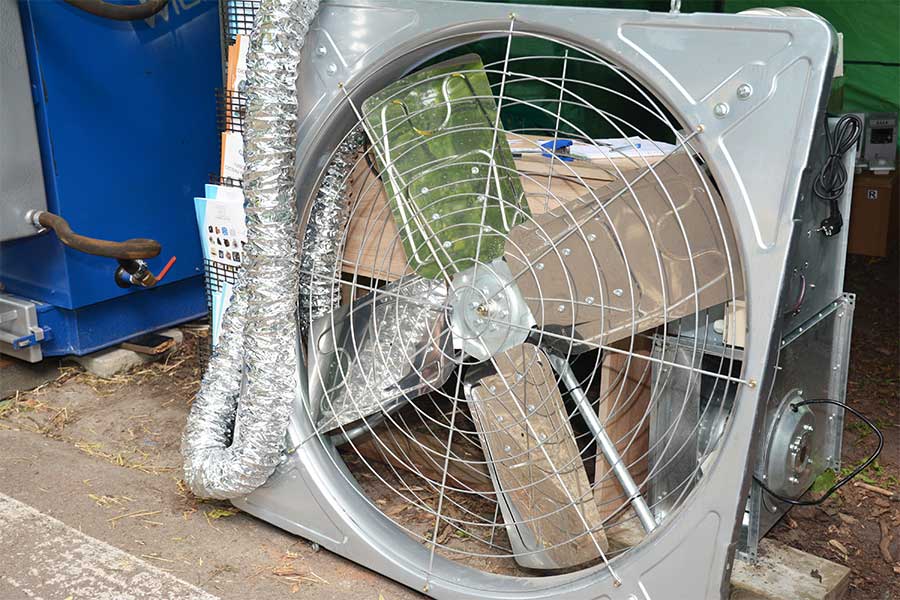
A few common signs indicate an attic that isn’t ventilating properly.
- Upper floors noticeably hotter
- Rising summer energy bills
- Musty smell in attic space
- Visible moisture or condensation
- Ice damming along the roof edges
- Shingles wearing prematurely
- AC is struggling to cool upstairs
If you’re noticing any of these signs, it’s worth having your attic evaluated before the underlying heat or moisture issue causes bigger problems.
Our Attic Fan Installation Process
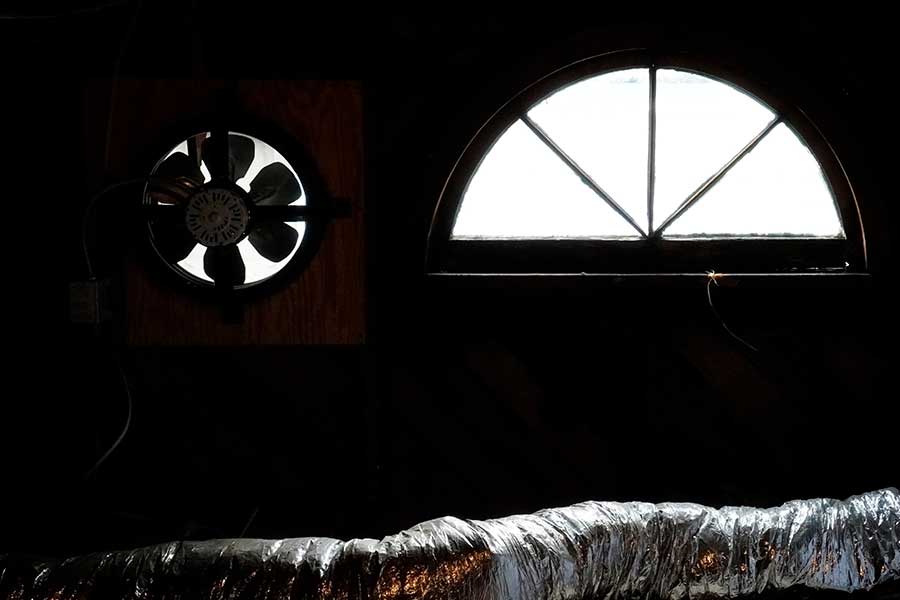
Every attic fan installation begins with an assessment of your attic’s size, existing ventilation, and roofline to determine the right type and placement for a fan. Our technicians evaluate whether a gable-mounted fan, roof-mounted fan, or solar-powered option makes the most sense based on your home’s structure and your specific goals for temperature and moisture control. Proper sizing matters here, too, since an undersized fan won’t move enough air to make a meaningful difference. In contrast, an oversized fan can pull conditioned air from your living space into the attic if not properly balanced with intake ventilation.
Once we’ve determined the right fan and its placement, our team handles the installation with care for your roofline and existing structure, ensuring the unit is properly sealed and wired for safe, reliable operation. We also check your attic’s intake ventilation, such as soffit vents, to confirm the new fan will have enough fresh air flowing in to work effectively. After installation, we test the fan’s operation and explain how any included thermostat or humidity controls function so you can get the most out of your new system.
Energy Savings From Proper Attic Ventilation
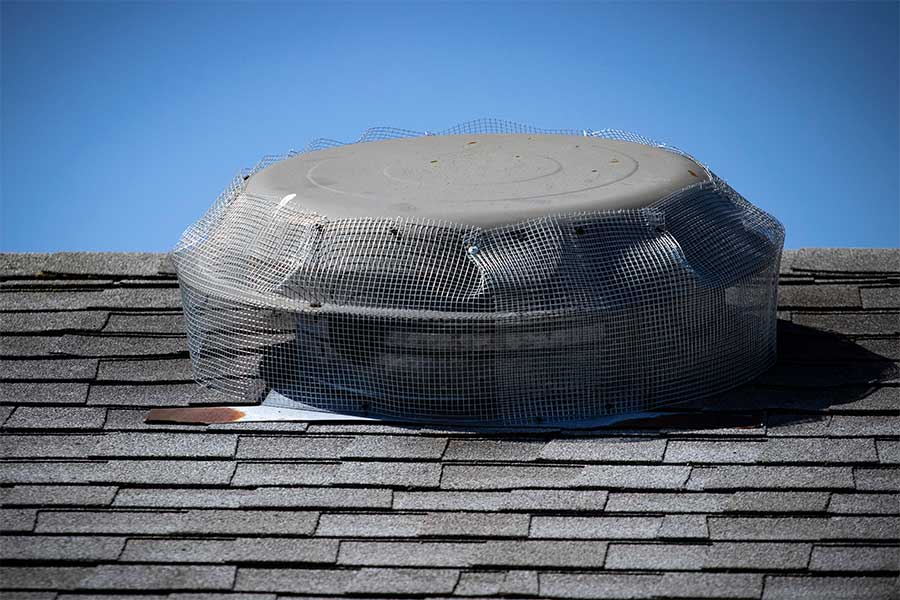
A well-ventilated attic can meaningfully reduce the load on your air conditioning system during Norristown’s hottest months, since your AC doesn’t have to fight heat radiating from an overheated attic above. This reduced strain often translates into lower energy bills throughout the summer, as your system doesn’t need to run as long or as hard to keep your home comfortable.
Proper ventilation also helps protect your roofing materials from premature wear caused by excessive heat buildup, which can extend your roof’s life and reduce the likelihood of costly repairs down the line. In winter, good attic ventilation helps prevent ice dams, since a properly ventilated attic stays closer to outdoor temperatures and reduces the uneven melting and refreezing that lead to ice buildup along roof edges. Over time, these combined benefits often make installing an attic fan one of the more cost-effective upgrades a homeowner can make.
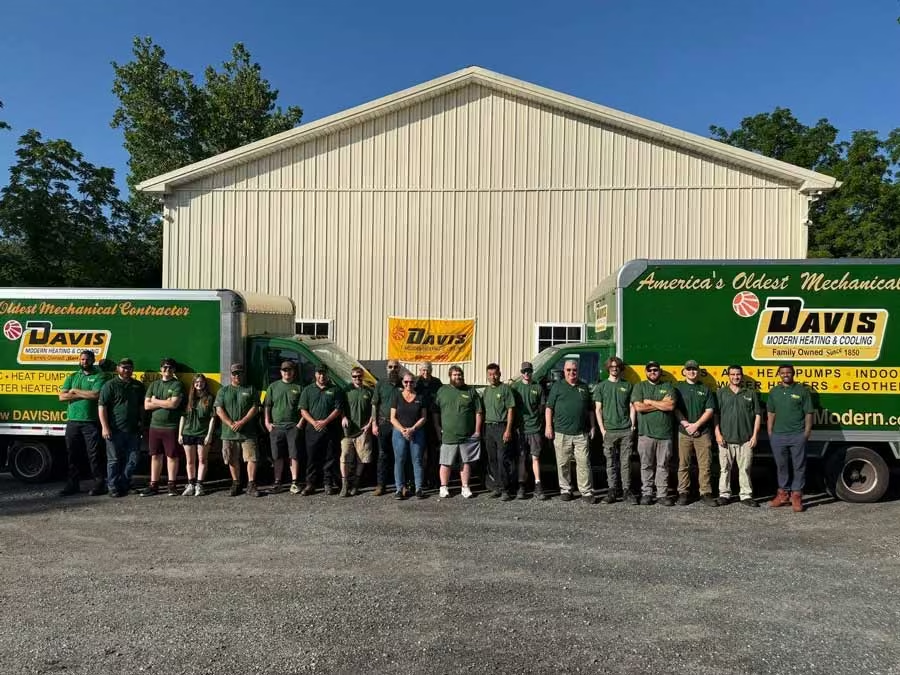
Why Choose Davis Modern Heating & Cooling
Getting attic ventilation right takes an understanding of both airflow and how your home’s structure works as a whole system.
- Family-owned and operated since 1850
- Careful attic and roofline assessment
- Proper fan sizing and placement
- Fully licensed throughout Pennsylvania
- 24/7 emergency on-call service
- Honest, straightforward recommendations
We approach every attic fan installation the way we’d want our own family’s home cared for, and our on-call availability means help is there whenever you need it, not just during business hours.
Frequently Asked Questions
Do attic fans really help lower cooling costs?
Yes, by reducing heat buildup in the attic, an attic fan can lessen the load on your AC system and help lower summer energy bills.
What type of attic fan is best for my home?
The right choice depends on your attic’s size, structure, and existing ventilation, which our technicians assess before recommending gable, roof-mounted, or solar options.
Can an attic fan help with moisture problems?
Yes, proper attic ventilation helps reduce condensation and the conditions that allow mold and mildew to develop.
Do I need additional vents for an attic fan to work properly?
Yes, sufficient intake ventilation, such as soffit vents, is needed to bring in fresh air, which keeps the fan working effectively without pulling conditioned air from your home.
How long does attic fan installation typically take?
Most attic fan installations are completed in a few hours, depending on the type of fan and the complexity of your roofline.