

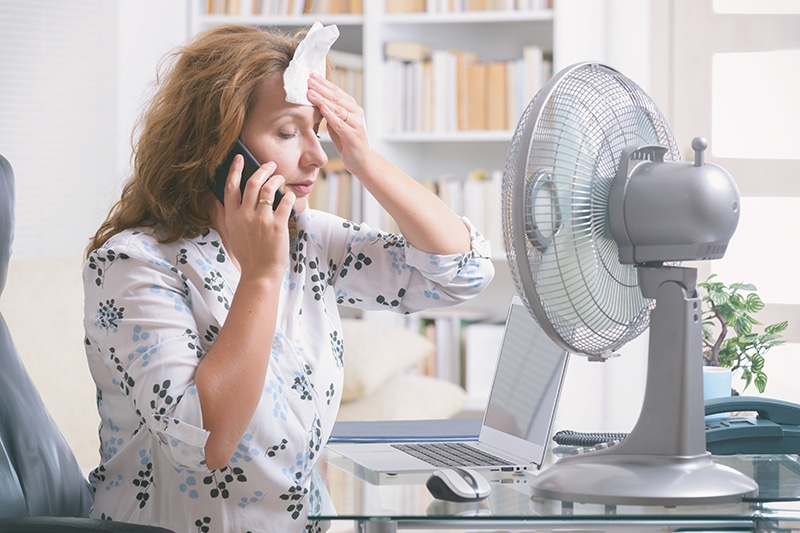
Replace your air conditioner when it is more than 10 years old and shows rising energy bills, uneven cooling, humidity problems, or repeated repairs. A system that checks several of those boxes usually costs more to keep running than to replace, especially when a single repair bill starts to approach the price of a newer unit.
Few homeowners track the age of their cooling system, so the decision often arrives in the middle of a heat wave. Before you start shopping, a Davis Modern technician can compare AC replacement with repair based on your system’s age, repair history, and current condition, so you know what the numbers say before you commit.
Key Takeaways
- An air conditioner older than 10 years deserves a replacement evaluation, according to ENERGY STAR.
- Rising electric bills, uneven rooms, humidity problems, and frequent repairs are the four signs that most often point to replacement.
- Repair usually fits a newer system with one isolated failure, while replacement fits an aging system with repeated breakdowns.
- Replacing an air conditioner before the first long hot spell leaves time to compare options instead of rushing a decision.
- An oversized air conditioner cools unevenly and leaves the air damp, so correct sizing matters as much as efficiency.
How Long Does an Air Conditioner Last?
A central air conditioner should be evaluated for replacement once it passes 10 years of age, according to ENERGY STAR, which lists a heat pump or air conditioner older than 10 years as a point to consider a newer system. A central air conditioner is a split system with an outdoor condenser and an indoor coil that cool your home through ductwork.
Age alone does not make the call. A well-maintained system can run past that mark, and a neglected one can fail early. Replacing the filter on schedule and booking seasonal maintenance are the two habits that do the most to extend the life of an air conditioner. In our experience servicing homes around Collegeville, regular maintenance is the clearest difference between systems that last and systems that fail early.
Four Signs Your AC Needs Replacement
Four signs most often point to replacement: climbing electric bills, rooms that never cool evenly, a home that feels damp, and repair calls that keep coming. One sign alone may have a simple fix, but two or more together point to a system at the end of its useful life.
1. Higher Electric Bills
Rising cooling costs mean the system is using more electricity to deliver the same comfort. As an air conditioner ages, internal parts such as the evaporator coil and blower motor lose efficiency and draw more power. Compare the same month year over year, since weather changes from one summer to the next and can hide or exaggerate the trend.
2. Inconsistent Cooling
Hot rooms and cool rooms at the same thermostat setting often mean an older system has lost cooling power. The cause can also sit in the ductwork, so have a technician inspect your ductwork before assuming the air conditioner is the problem. A new unit will not fix a duct leak, and a duct repair will not revive a worn-out compressor, so the diagnosis decides the right spend.
3. Humidity Problems
A healthy air conditioner removes moisture as it cools. On a humid Pennsylvania afternoon, the evaporator coil pulls water vapor out of the air and drains it away, which makes the home more comfortable and supports good indoor air quality. A failing or oversized system cools the air quickly without running long enough to remove moisture, which leaves a clammy feel and opens the door to mildew, mold, and damage to wood surfaces.
4. Frequent Repairs
Several repair visits in one year point to a system that is wearing out faster than it can be patched. Repair costs add up, and once they approach the cost of replacement, a new system is the more economical choice over time. An older unit that needs repeated fixes is a better candidate for replacement than a newer unit with one failed part.
Should I Repair or Replace My AC?
Repair makes sense when a newer system has a single, isolated problem, and replacement makes sense when an older system is failing in several ways at once. This table shows how common situations usually point:
| Situation | What It Usually Points To |
| Under 10 years old with one failed part | Repair |
| Over 10 years old with repeated repairs | Replacement |
| Rising bills on an older, well-maintained unit | Replacement evaluation |
| Uneven cooling traced to leaking or restricted ducts | Ductwork repair first |
| Humidity problems with a system that runs in short bursts | Sizing review, then replacement if the unit is oversized |
A technician can walk through the same checklist with your actual equipment. An honest assessment protects you from replacing a unit that still has good years left and from repairing one that is past saving.
When to Replace an Air Conditioner Before Summer
The best time to replace an air conditioner is before the first long stretch of hot weather, when a planned installation leaves room to compare options. Replacing during a heat wave limits your choices, because the priority becomes getting cool air back fast. Based on what we see in homes across Collegeville, the households that call in spring or early fall tend to have the most flexibility on scheduling and equipment. If your system is already struggling, AC repair in Collegeville can keep you comfortable while you plan the replacement.
When Should You Replace the Whole HVAC System?
Replace the whole HVAC system when the furnace or boiler is also near the end of its life, because older equipment can hold a new air conditioner back. ENERGY STAR lists a furnace or boiler older than 15 years as a point to consider replacement, and notes that an older furnace and blower motor can keep a new air conditioner from reaching its rated efficiency. Pairing equipment of similar age lets the whole system work as designed and avoids a second installation project a few years later.
Frequently Asked Questions About Replacing an Air Conditioner
Can I replace only the outdoor AC unit?
Sometimes, but it is rarely the best result. The outdoor unit and the indoor coil work as a matched pair, and an older coil paired with a new condenser can limit efficiency and performance. A technician can tell you whether your indoor components are compatible with a new outdoor unit.
Will a new air conditioner lower my electric bill?
Usually, yes. ENERGY STAR reports that high-efficiency heat pumps and air conditioners, installed correctly, can save up to 20 percent on heating and cooling costs. Your result depends on the age of your old unit, the condition of your ducts, and how the system is sized.
Does a bigger air conditioner cool better?
No. An oversized unit reaches the thermostat setting quickly and shuts off before it removes much humidity, which is called short cycling. The result is uneven temperatures, a damp feel, and extra wear on the compressor. Correct sizing for your home is what produces steady comfort.
What should I do while I decide?
Change the air filter, make sure nothing blocks the outdoor unit, and confirm the thermostat is set to cool. These steps cost little and can improve performance in the short term. If the system still struggles, schedule an inspection instead of waiting for a full breakdown.
Planning Your AC Replacement With Davis Modern Heating & Cooling
The core answer to when to replace your air conditioner is simple: when it is more than 10 years old and shows rising bills, uneven rooms, humidity trouble, or repeated repairs, replacement is usually the smarter move. At Davis Modern Heating & Cooling, we help homeowners weigh that decision honestly and install a system that fits the home. When you are ready to talk it through, schedule your AC replacement consultation with our team.