

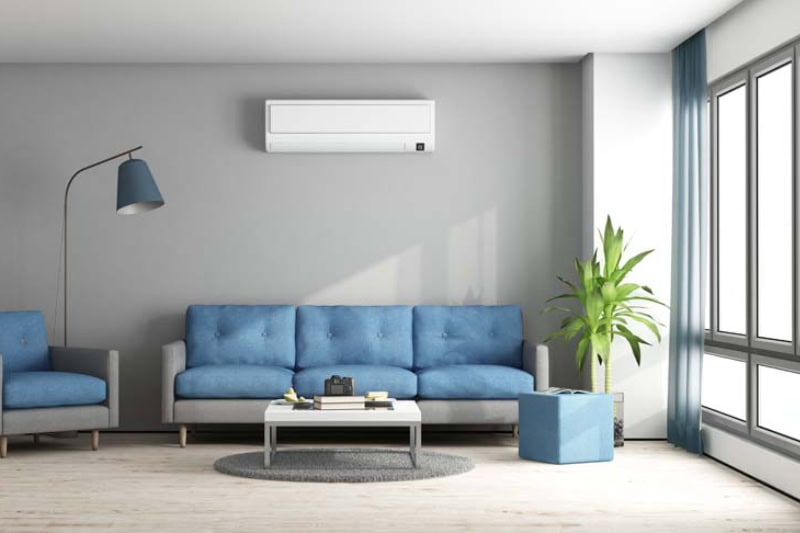
Ductless mini splits suit renovation projects because they heat and cool a space without ductwork. Homeowners use them in attic conversions, finished basements, garage workshops, additions, and older homes where adding ducts is impractical. Each system pairs one outdoor unit with one or more wall or ceiling mounted indoor units.
Modern homes are well insulated, which helps temperature control but can trap dust, pollen, and moisture indoors. A ductless mini split installation addresses comfort and air quality in the same project, which is why renovation plans increasingly include one.
Key Takeaways
- Ductless mini splits heat and cool rooms without ductwork, which makes them a fit for additions, attics, basements, and garages.
- Each indoor unit has its own temperature control, so rooms can be conditioned only when people use them.
- ENERGY STAR certified mini split heat pumps are tested for low temperature heating performance down to 5 degrees Fahrenheit.
- Mini splits filter indoor air and remove humidity while cooling, which helps limit mildew growth.
- Proper sizing and placement by a trained installer determine how evenly a mini split heats and cools.
How Do Ductless Mini Splits Work?
A ductless mini split is a heating and cooling system that moves heat between an outdoor unit and one or more indoor units through small refrigerant lines, with no ductwork involved. According to ENERGY STAR, these systems are designed for homes or sections of homes that do not have ductwork, and they mount a head unit, or several, on an interior wall or ceiling with an accompanying unit outside.
The outdoor unit holds the compressor and condenser. On a warm day, it releases the heat and humidity pulled from your home. On a cool day, it draws heat from the outdoor air and sends it inside. The indoor unit is small and rectangular, resembling a sleek light fixture, and it mounts high on a wall or on the ceiling and distributes air into the room. Serving Collegeville and the surrounding area, our team can walk you through how a system would fit your home through HVAC services in Collegeville.
What Are the Best Ductless Mini Split Renovation Ideas?
The best renovation ideas for ductless mini splits are spaces where extending ductwork is difficult or where an existing system cannot keep up. A new room often adds square footage that your current heating and cooling was never sized to handle, and a mini split serves the new space without overloading the rest of the house. These are the projects where we see ductless systems work especially well:
- Attic conversions: An attic turned into a bedroom or office is often too far from the main ducts to heat and cool well, and a single indoor unit solves that.
- Finished basements: A basement renovation can add living space without the headroom or access needed to run new ductwork.
- Garage workshops and studios: ENERGY STAR notes that additions and outbuildings such as a garage, shed, or barn are strong candidates because extending ducts is difficult.
- Room additions and sunrooms: A mini split conditions the new space independently, so it does not change how the rest of the house heats and cools.
- Older homes without ductwork: Houses with radiators or baseboard heat can gain central style cooling without cutting into walls and ceilings.
- Home offices: A dedicated indoor unit lets you set the room to the temperature you need while the rest of the house stays at its own setting.
Why Do Homeowners Choose Ductless Mini Splits?
Homeowners choose ductless mini splits for room by room control, cleaner indoor air, quiet operation, and strong efficiency. The main benefits include:
- Room-specific climate control: Because mini splits do not use air ducts, a larger home may need several indoor units, and that gives you control over each floor or room. Many homes use a multi-zone ductless system so one outdoor unit serves several rooms. You can cut energy use by conditioning only the rooms people are using.
- Better indoor air quality: Indoor units contain filters that catch dust, dander, and pollen, and they remove moisture from the air as they cool, which makes it harder for mildew and mold to grow. That is a real advantage for families with allergies, and it works alongside broader indoor air quality improvements. Filters need regular cleaning to keep working, and ENERGY STAR advises cleaning them when they look dirty or when the indicator light comes on.
- Quiet operation: Standard heating and cooling equipment can produce a hum or roar as it cycles. Ductless indoor units run quietly, which keeps bedrooms and home offices peaceful.
- High efficiency: ENERGY STAR reports that certified mini splits can use up to 60 percent less energy than standard electric radiators. Savings depend on what you are replacing and how the system is installed, so treat any figure as a ceiling and not a guarantee.
Can a Ductless Mini Split Handle a Pennsylvania Winter?
Yes, a cold climate ductless heat pump can heat a home through a Pennsylvania winter, and ENERGY STAR certification requires third party verified performance at low temperatures, with testing down to 5 degrees Fahrenheit. For the coldest nights, ENERGY STAR recommends pairing a heat pump with a backup heat source. Homeowners in areas that dip below freezing often keep a furnace or boiler in place for backup, and even then the savings from ductless can be significant.
Frequently Asked Questions About Ductless Mini Splits
Do I need more than one indoor unit?
It depends on your layout. A single indoor unit serves one open space well, while separate rooms, floors, or closed off areas usually need their own indoor units. Multi zone systems connect several indoor units to one outdoor unit, and a technician can recommend the right setup after reviewing your floor plan.
How do I keep a ductless mini split working well?
Clean the indoor filters when they look dirty or when the indicator light comes on, and keep the area around the outdoor unit free of leaves, debris, and snow. Schedule professional service once a year so a technician can inspect and clean the parts you cannot reach.
Can a ductless mini split replace my furnace?
Sometimes. A cold climate model can carry the heating load in many homes, but whether it replaces a furnace depends on your home’s size, insulation, and winter lows. Many homeowners keep a furnace or boiler as backup for extreme cold, and a technician can size the system for your needs.
Do ductless mini splits help with allergies?
They can help. The indoor filters catch dust, dander, and pollen, and the system removes humidity that mold and mildew need to grow. A mini split is not a cure for allergies, and it works best alongside regular filter cleaning and good overall indoor air quality.
Choosing Ductless Comfort for Your Next Home Project
Ductless mini splits are among the most practical renovation ideas for new spaces, additions, and older homes, because they deliver efficient comfort without ductwork. Whether you need installation, repair, or maintenance, Davis Modern Heating & Cooling is ready to help homeowners in Collegeville and across Montgomery County find the right system. When you are ready to plan your project, request a ductless mini split estimate from our team.