On a frosty winter’s day here in Pennsylvania, your gas furnace is hard at work, keeping your Blue Bell home warm and cozy. Feeling grateful? You’re not alone—it’s one of the most popular forms of heating, as American as apple pie.
In 1919, New Jersey inventor Alice H. Parker filed a patent for the first gas-fueled furnace. Years later, the basic technology is the same—only it burns less gas. In fact, modern furnaces burn at up to 97 percent efficiency, according to Consumer Reports. Keep this in mind if you’ve owned your heater for 10 years or longer.
Our team at Davis Modern could help you save big bucks on your monthly utility bill by performing a furnace replacement. And while we’re on the topic, we can help with your other HVAC needs: air conditioning, heat pumps, indoor air quality (IAQ), and more. All you need to do is call.
How a Gas Furnace Works
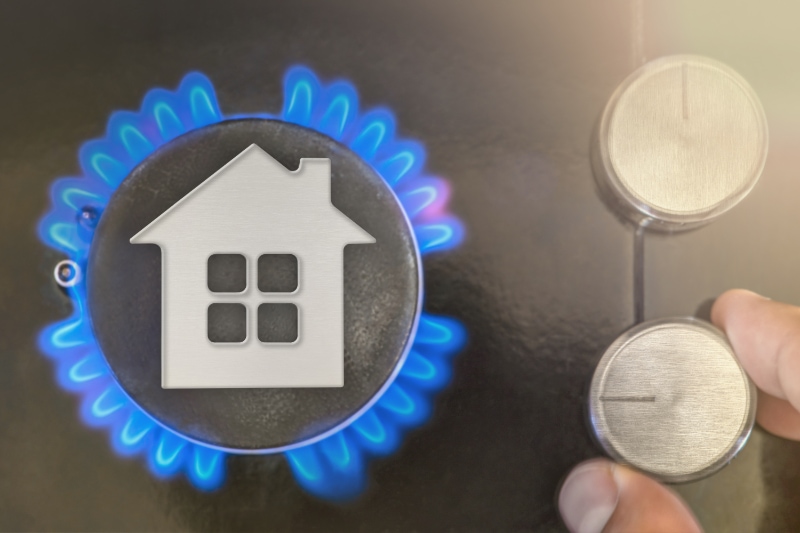
Furnaces that burn natural gas have four basic elements:
1. The Thermostat
Your thermostat is the eyes and ears of the operation. If it senses your home is below the target temperature, it sends signals to your furnace. Then, your furnace continues to cycle until your home is adequately warm. Finally, when it detects the desired temperature, the thermostat tells your furnace to stop running (until further notice).
2. The Ignitor
When your thermostat sends out a signal, the ignitor is the first to respond. Like the ignition starts your car—the ignitor starts your furnace.