

Furnace Repair Services in Collegeville, PA
- Locally Owned & Operated
- Trust & Transparency
- Long-Term Relationships

The Perkiomen Valley gets colder than the forecast suggests. On clear, still nights cold air drains down the slopes and settles along the creek, and homes on the valley floor routinely sit several degrees below the regional number. A furnace in Collegeville works through more of those nights than one a few miles up on higher ground.
Davis Modern Heating & Cooling repairs furnaces throughout Collegeville, Trappe, and the surrounding Perkiomen Valley. We have been family owned since 1850, we service every brand, and we handle natural gas, propane, heating oil, and electric equipment. Our on-call line is answered at any hour, which is usually when heating problems make themselves known.
Our Services
- Boiler Installation & Replacement
- Boiler Maintenance
- Boiler Repair
- Furnace Installation & Replacement
- Furnace Maintenance
- Furnace Repair
- Geothermal Heat Pump Installation & Repair
- Heat Pump Installation & Replacement
- Heat Pump Maintenance
- Heat Pump Repair
- Oil Furnace Repair & Maintenance
- Convert From Oil Heat
- Radiant Floor Heating Installation & Repair
- Tankless Water Heater Installation & Repair
- Water Heater Repair
- Water Heater Replacement & Installation
Contact Us
- This site is protected by reCAPTCHA
Why Homeowners in Collegeville, PA Trust Us
Signs It Is Time to Call About Your Furnace
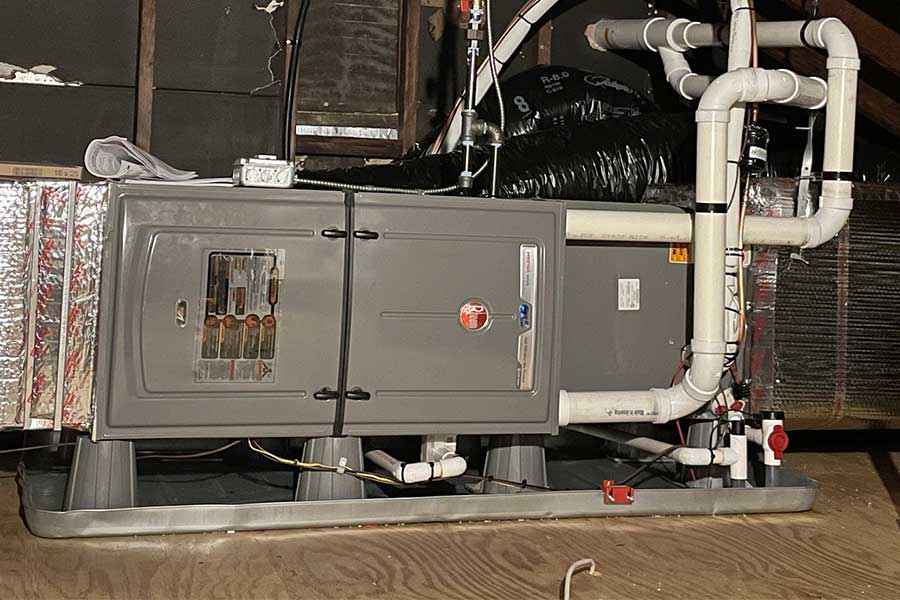
Furnaces tend to give warning before they stop entirely. These are the ones we hear about.
- House slow to warm
- Furnace starting and stopping
- Cold air between cycles
- Pilot or igniter failing
- Loud hum from blower
- Thermostat calling with no response
- Unusual smell during operation
- Fuel use climbing
- Frequent resets required
- Carbon monoxide alarm triggered
A carbon monoxide alarm or the smell of gas is an emergency, not a service appointment.
Why Valley Homes Ask More of a Furnace
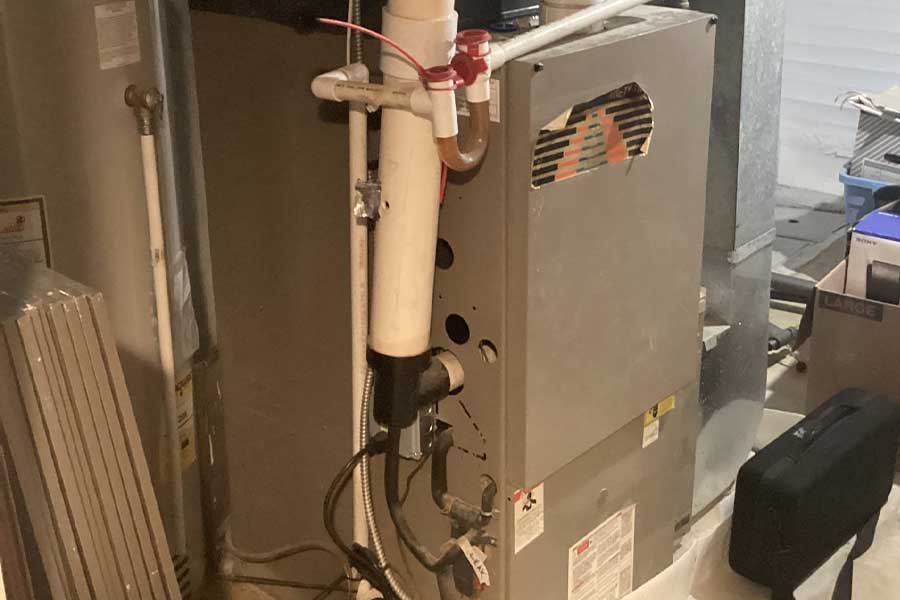
Long, cold overnight cycles are the underlying strain here. When a furnace runs more hours than its design assumed, ignition components wear faster, blower motors log more time, and small problems compound over a single winter rather than several. That is why systems in the valley often need attention a year or two sooner than identical equipment elsewhere.
Moisture works against the equipment too. The same creek humidity that makes summers uncomfortable keeps basements damp into the cold months, and furnaces in those spaces show corrosion on burners, cabinets, and electrical connections. On high efficiency units, damp conditions also encourage condensate line buildup that eventually trips a safety.
The borough's older housing adds a distribution problem on top of that. Homes built near Main Street a century ago often had heat added or converted more than once, leaving ducts that were never balanced for the current equipment. The furnace works fine, the rooms farthest from it do not, and the thermostat keeps calling because one part of the house never catches up.
The Heating Work We Take On
We repair, maintain, and replace furnaces of every brand, including natural gas, propane, oil, and electric. Alongside that we service boilers, heat pumps, thermostats, ductwork, and ventilation, so a heating complaint that turns out to be an airflow issue does not become a second phone call to somebody else.
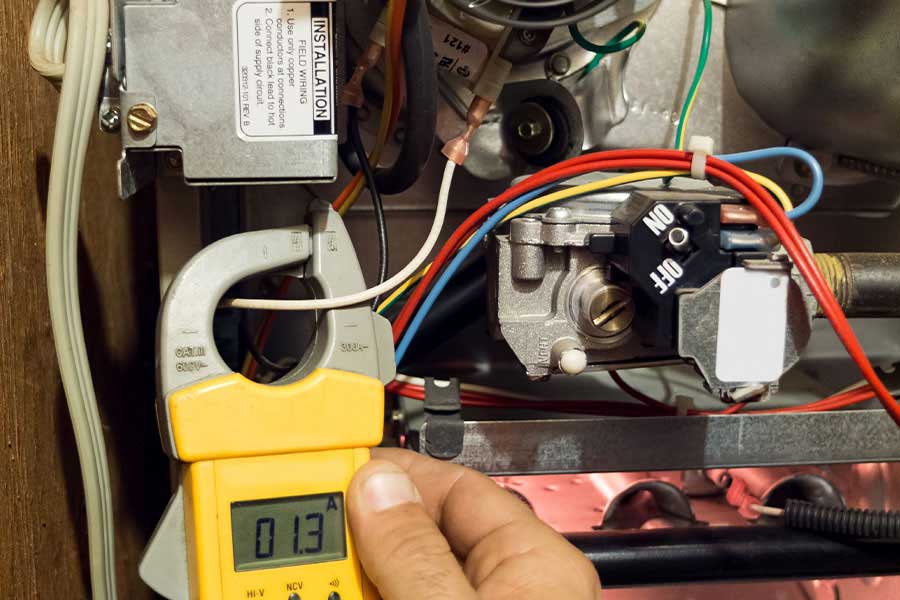
On a service visit we test ignition and flame sensing, gas or oil pressure, blower operation, safety controls, venting, and temperature rise across the heat exchanger. Every heating call includes a heat exchanger inspection, because the safety side of this work is not optional and it is not something a homeowner can evaluate.
If the furnace is worn out, we explain that plainly and walk through replacement options matched to your fuel and your home. We also bring more than thirty five years of experience with geothermal heat pumps and solar heating for properties where that is a realistic direction.
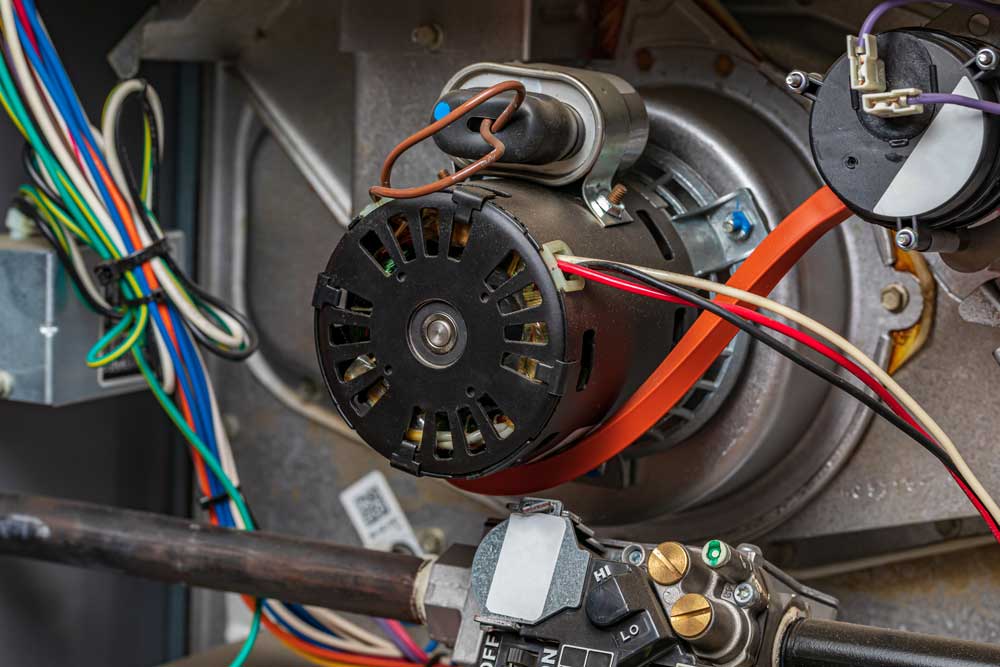
A Cold Snap Near Main Street in Collegeville
Rob called from a few blocks off Main Street in Collegeville during a January cold stretch. His furnace was running almost continuously and the back bedrooms still would not get above sixty three.
Our technician found a badly clogged filter, burners that had not been cleaned in years, and a long duct run through an unheated crawl space with separated joints leaking heat before it reached those rooms. We cleaned the burners and flame sensor, replaced the filter, sealed and reconnected the duct, and verified temperature rise was back in range.
Those bedrooms warmed up that same evening and the furnace stopped running around the clock. Nothing had failed outright, which is common, and the repair cost a fraction of what Rob expected when he called.
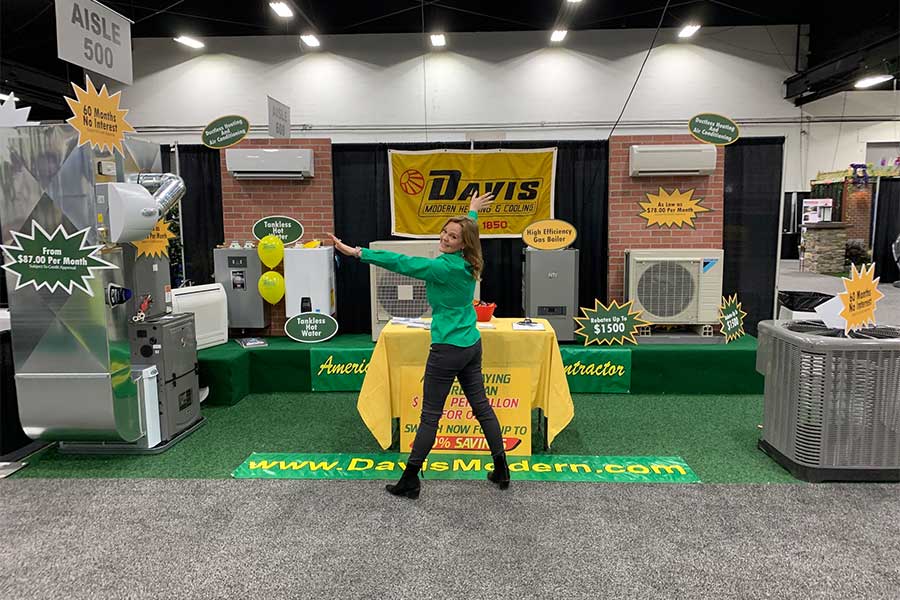
What Collegeville Homeowners Get From Us
Here is what comes with a call to our family.
- Family owned since 1850
- Gas, oil, propane, and electric
- All brands serviced
- 24/7 on-call technicians
- Licensed in Pennsylvania
- Heat exchanger safety checks
- Duct and airflow corrections
- Geothermal and solar experience
Our on-call service runs every night of the year, because a furnace failing at midnight in a valley that holds cold air is not something that waits for morning.
Frequently Asked Questions
Why does my furnace run constantly without warming the house?
Long runtimes usually point to restricted airflow, leaking ductwork, or a system that has lost capacity. It can also mean the house is losing heat faster than the furnace is able to supply it.
Do you offer overnight emergency heating repair?
Yes. Our technicians are on call 24 hours a day, seven days a week, including holidays.
How often should a furnace be serviced?
Once a year, ideally in fall. Annual service catches ignition, venting, and safety problems before the first hard freeze arrives.
Do you work on propane and oil systems?
Yes. We service and install equipment across natural gas, propane, heating oil, and electric, including both furnaces and boilers.
Is a damp basement bad for my furnace?
It can be. Moisture accelerates corrosion on burners, cabinets, and electrical connections, and it contributes to condensate problems on high efficiency equipment.